September 25, 2026
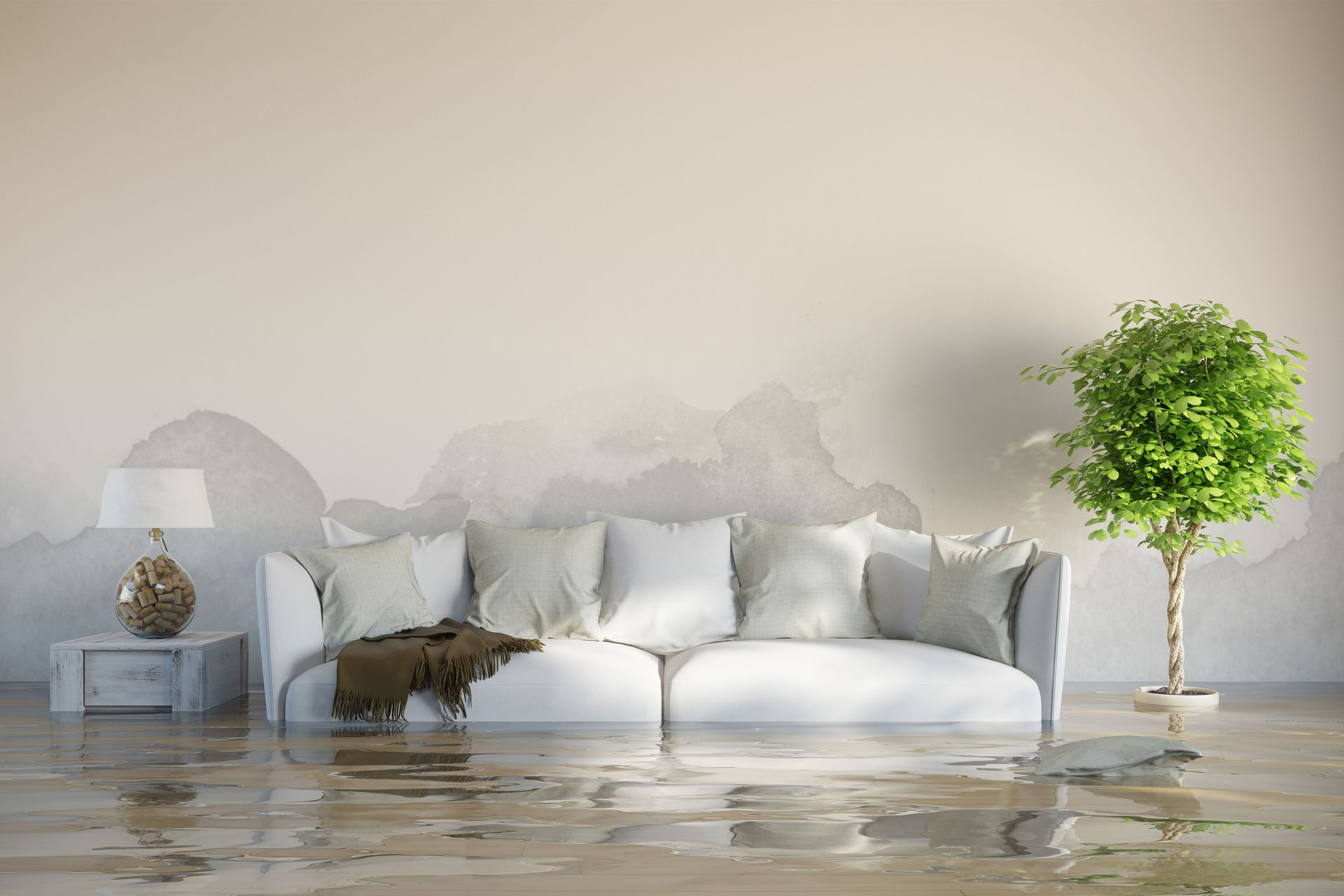
A damp or flooded lower level can quickly compromise structural integrity, damage personal items, and encourage mold growth throughout your home. Investing in proper wet basement repair allows property owners to reclaim valuable living area while protecting their foundation concrete against chronic moisture intrusion.
Identifying the root causes of water penetration is necessary for selecting appropriate drainage, sealing, and diversion methods tailored to your soil conditions. According to HomeGuide, quality basement waterproofing systems last 10 to 30 years or more. Implementing reliable solutions secures your real estate investment, preserves healthy indoor air quality, and restores long-term structural stability across every season.
Identifying Sources of Water Intrusion
Pinpointing where unwanted moisture enters your lower level represents the critical first phase of effective remediation planning. Choosing effective wet basement repair strategies depends heavily on distinguishing between subterranean hydrostatic pressure, surface runoff, leaky window wells, and plumbing failures. Water often seeps through microscopic concrete pores, horizontal wall cracks, floor joints, or porous cinder blocks when groundwater levels rise following heavy rain.
Inspecting interior walls for efflorescence, damp patches, or peeling paint helps technicians isolate vulnerable entry points. Accurately diagnosing how water infiltrates your foundation prevents wasted effort on superficial fixes, ensuring long-term structural protection against continuous underground moisture pressure.
Installing Interior French Drains
Capturing subsurface water before it migrates across concrete floors requires a robust internal water collection channel. Selecting interior wet basement repair methods frequently involves cutting a trench along the perimeter slab to lay perforated drain pipes surrounded by coarse gravel. This underground piping collects groundwater entering through foundation joints and directs it toward a reliable collection basin.
Covering the trench with fresh concrete restores a smooth floor surface while permanently managing subsurface pressure beneath your home. Internal drainage networks effectively mitigate persistent seepage during heavy rainstorms, keeping lower-level floor surfaces completely dry without extensive external yard excavation.
Placing Heavy-Duty Sump Pumps
Pairing internal drainage channels with a powerful pumping system ensures water is actively expelled far from your foundation. Integrating mechanical wet basement repair systems relies on installing heavy-duty sump pumps inside dedicated basin pits beneath the floor slab. As collected groundwater fills the basin, float switches trigger the pump to discharge water through exterior pipes away from structural walls.
Equipping these units with battery-powered backup pumps provides continuous protection during severe weather power outages. Professional installation ensures proper check-valve operation, preventing backflow and offering quiet, automated defense against sudden water accumulation in low-lying residential spaces.
Applying Exterior Waterproof Membranes
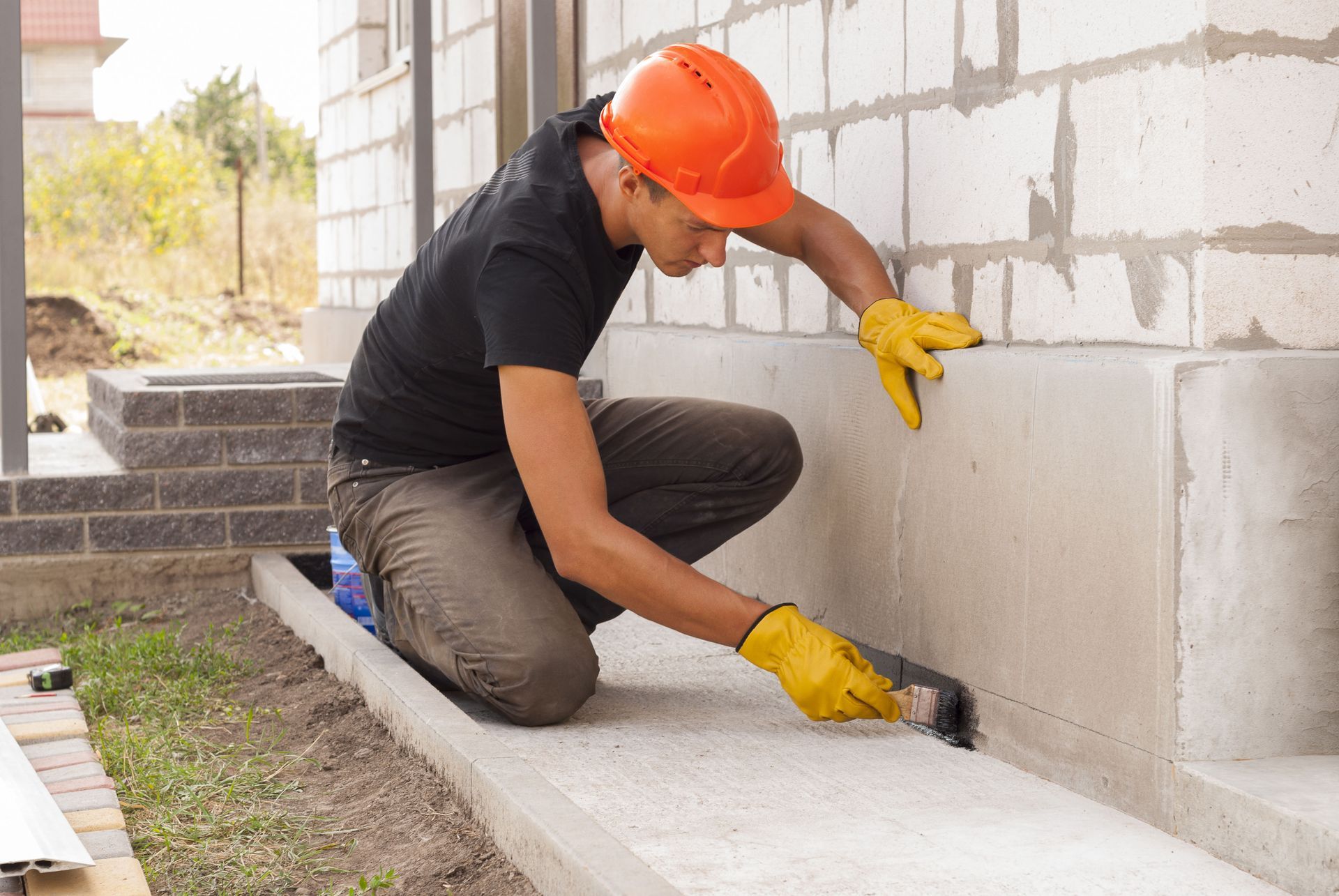
Stopping ground moisture before it contacts porous foundation walls provides the most comprehensive exterior barrier protection available. Undertaking exterior wet basement repair requires excavating soil around the foundation down to the structural footings to clear debris and old coatings. Technicians apply heavy elastomeric coatings, asphalt-based sealants, or thick dimpled drainage boards directly to exterior masonry walls.
This seamless barrier prevents water from penetrating concrete pores while channeling subsurface moisture downward toward external drain tiles. Though exterior excavation demands greater labor upfront, completely isolating foundation walls from surrounding wet soil ensures maximum durability against relentless lateral hydrostatic forces.
Sealing Concrete Cracks With Epoxy Injections
Hairline fractures in poured concrete walls frequently serve as primary pathways for persistent water seepage during rainstorms. Executing targeted wet basement repair often involves injecting expanding polyurethane or high-strength epoxy resins directly into wall cracks under pressure. These specialized liquid compounds penetrate deep into the full thickness of concrete walls, expanding rapidly to fill hidden voids, tiny fissures, and hollow spaces entirely.
Once cured, injected materials form a permanent flexible bond that resists future ground movement while completely blocking moisture entry. Sealing structural cracks from inside provides a fast, clean, and highly effective defense against localized leaks.
Regrading Soil Away From Foundations
Poor exterior ground slope often directs thousands of gallons of surface rainwater toward foundation walls rather than away. Implementing simple wet basement repair techniques involves reshaping the surrounding landscape so topsoil slopes downward away from home boundaries. Adding dense clay-rich soil near foundation edges prevents rainwater from pooling directly against exterior masonry walls during heavy downpours.
Maintaining a minimum slope of six inches over the first ten feet encourages natural gravity drainage toward outer yard zones. Proper landscape grading drastically reduces the volume of water soaking into subsurface soil, relieving immense hydrostatic pressure against buried basement structures.
Extending Downspouts and Cleaning Gutters
Roof runoff falling directly alongside foundation walls represents a leading cause of avoidable lower-level water damage. Prioritizing basic wet basement service includes cleaning clogged roof gutters and installing long downspout extensions that discharge water several feet away. Clogged gutters overflow during storms, concentrating massive amounts of water right at the base of exterior walls.
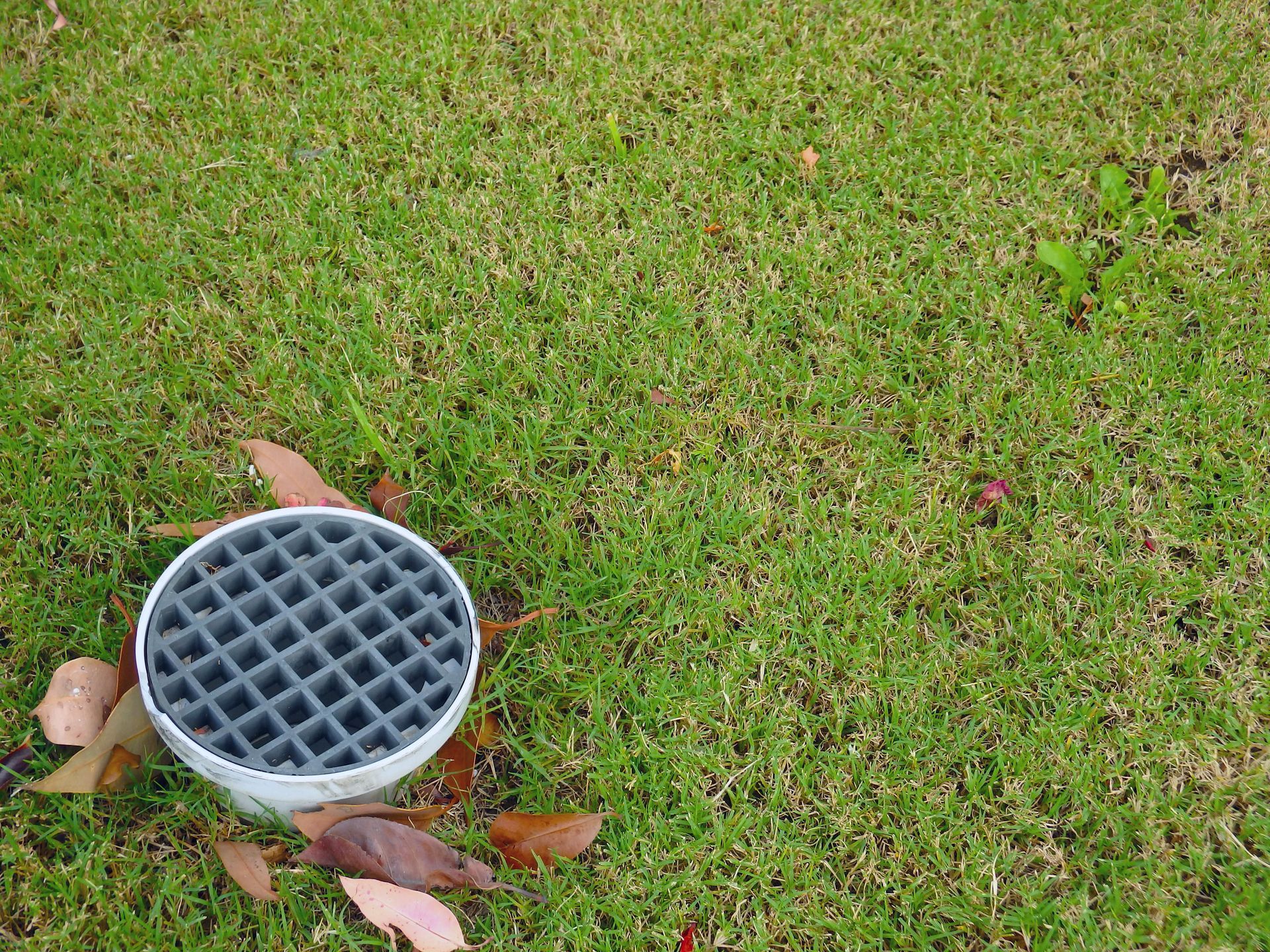
Attaching rigid underground drainage pipes or flexible pop-up emitters redirects roof runoff safely toward storm drains or lower landscape areas. Keeping gutters free of leaves and extending discharge lines ensures roof water does not saturate soil immediately adjacent to your foundation.
Dehumidifying Spaces to Control Moisture
Excess ambient humidity can create damp conditions, foul odors, and widespread mold growth even without direct wall leaks. Incorporating environmental wet basement service solutions requires installing high-capacity commercial dehumidifiers designed to extract gallons of airborne moisture daily. Maintaining relative humidity levels below fifty percent prevents condensation from forming on cold concrete walls and exposed cold-water pipes during warm summer months.
Modern dehumidifiers feature continuous gravity drain hoses, digital features, and integrated air filters for maintenance-free operation. Regulating indoor air moisture protects wooden floor joists, stored cardboard boxes, and finished drywall from ambient dampness.
Restoring Damaged Structural Wall Elements
Prolonged water exposure can weaken concrete blocks, erode mortar joints, and cause structural walls to bow inward dangerously over time. Executing advanced wet basement service may require installing heavy steel I-beams, carbon fiber straps, or wall anchors to reinforce compromised masonry. Carbon fiber strips adhere directly to interior wall surfaces using high-strength epoxy, preventing further inward movement without consuming valuable floor space.
For severely bowed walls, exterior soil excavation and wall tie-backs pull masonry back into plumb alignment. Reinforcing damaged structural walls restores original load-bearing strength, securing your home foundation against long-term collapse from heavy earth pressure.
Maintaining Systems for Continuous Performance
Even the most advanced waterproofing equipment requires periodic inspection and simple upkeep to ensure uninterrupted operational protection. Practicing proactive wet basement service involves testing sump pumps regularly, cleaning basin pits, and checking exterior discharge lines for winter ice blockages. Inspecting battery backup systems ensures emergency power remains functional before severe summer thunderstorms or winter freeze events strike.
Clearing debris from window well drains and checking interior wall cracks for fresh movement maintains system efficiency. Routine system maintenance prevents sudden component failures, ensuring your investment continues providing dry, healthy, and usable lower-level living space year after year.
Managing Window Wells With Custom Covers
Unprotected basement window wells frequently collect falling rain, melting snow, and blowing yard debris, transforming into deep water traps. Resolving localized wet basement service challenges includes installing custom-fitted polycarbonate window well covers over exterior window openings. Clear, sloped covers deflect rain and snow while allowing natural sunlight to pass into lower-level rooms uninterrupted.
Installing proper drain pipes inside window wells connects collected water directly to perimeter drainage networks below. Securing window wells prevents water from pooling against basement glass panes, eliminating a common source of sudden window leaks during intense seasonal downpours.
Choosing to address water intrusion empowers property owners to convert damp, unused space into safe, functional living quarters. Selecting the correct wet basement service method ensures your home remains protected against hydrostatic pressure, surface runoff, and seasonal groundwater surges. From installing internal French drains and heavy-duty sump pumps to regrading surface topsoil and sealing wall cracks, expert techniques deliver lasting results.
Investing in professional waterproofing preserves structural stability, improves indoor air quality, and enhances overall property value. Take control of your indoor environment today, and enjoy a completely dry, comfortable, and healthy lower level for decades to come.
Are you in the Northern and Central New Jersey areas seeking professional wet basement repair? The waterproofing experts at American Eagle Waterproofing have you covered! Contact us today to request an estimate or to schedule an appointment.