July 23, 2026
Discovering the warning signs that indicate a need to waterproof your basement can save you from incredibly costly repairs and safeguard your home’s structural foundation. In this article, we will explore six critical signs that should prompt you to consider immediate basement waterproofing. Many homeowners overlook the telltale signs of moisture problems until it is too late, but being proactive can save a significant amount of time and money. Waterproofing your basement is a crucial step in maintaining the overall health, safety, and value of your home. Consulting with an experienced basement waterproofer can help you identify hidden vulnerabilities before they escalate into structural failures. Let’s delve into the specifics of what to watch for and why it matters.
1. Persistent Musty Odors
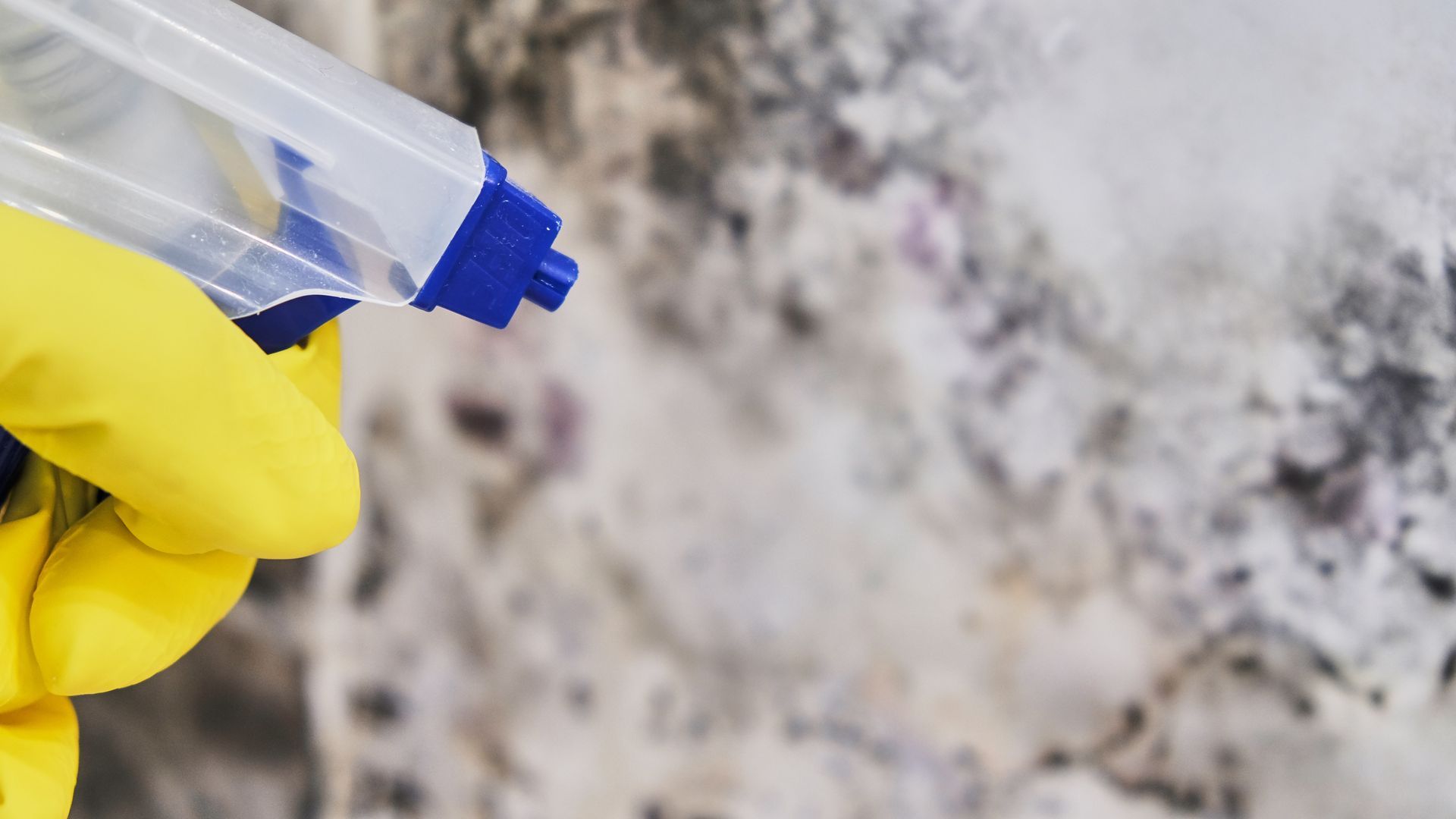
Persistent musty odors in your basement are often the first clues to hidden moisture issues. These smells are typically caused by mold and mildew, both of which thrive in damp, dark, and unventilated environments. Identifying these odors requires a keen sense of smell and awareness of subtle changes in your indoor environment. Often, musty odors are accompanied by other physical signs of moisture, which makes it easier to pinpoint the exact source of water ingress. If you consistently notice musty smells in your lower levels, it is time to investigate further.
Mold exposure can pose significant health risks, particularly to individuals with allergies, asthma, or compromised immune systems. Inhalation of airborne spores can lead to respiratory issues, headaches, and chronic health complications. According to This Old House, mold can start growing in your basement within 24–48 hours of a leak, and foundation cracks can worsen over time, especially with freeze-thaw cycles. To prevent these health risks, addressing mold sources and maintaining a dry basement environment is essential. Hiring a professional basement waterproofer is the smartest way to identify the source of dampness, eliminate mold growth, and seal the area permanently.
2. Visible Water Stains
Recognizing water stain patterns along your basement walls and floors is critical for diagnosing the precise source of incoming moisture. Stains often appear as darkened areas on drywall, masonry, or concrete, and their physical position can indicate potential leaks or seepage points. An uninterrupted, horizontal stain along the wall may indicate a high water table or a leak in the foundation seam, whereas sporadic marks or splatters might hint at drips from overhead utility pipes. Understanding these patterns can help pinpoint the source of the water issue.
When evaluating water damage in your basement, distinguishing between active and past damage is essential. Active water damage often appears as current water stains, which are dark and physically wet to the touch. Past water damage, on the other hand, may present as dried watermark outlines with possible mineral deposits. An expert basement waterproofer can trace the path of moisture, ensuring you do not simply paint over an active leak that requires structural sealing. Assessing the severity of these water stains will guide you in determining the urgency of the required interventions.
3. Efflorescence and White Residue
Efflorescence is a white, powdery, or crystalline residue that appears on masonry walls due to water evaporating and leaving mineral deposits behind on the surface. This chemical phenomenon is extremely common in basements with high soil moisture levels and serves as a primary sign of active water intrusion. While efflorescence itself is not toxic or inherently harmful to your health, it is a clear visual warning that groundwater is actively passing through your concrete foundation.
The white residue on basement walls arises from groundwater penetrating the porous concrete, dissolving natural salts and minerals, and leaving them behind as the water evaporates into your indoor air. Poor exterior drainage systems, ineffective waterproofing barriers, and seasonal weather patterns can exacerbate this problem. A certified basement waterproofer will tell you that white powder is a warning sign of hydrostatic pressure pressing against your home. Over time, this constant water movement can lead to the deterioration of painted surfaces, plaster, and concrete coatings. Prioritizing foundation health through professional remediation will ultimately ensure your long-term home security.
4. Basement Wall Cracks
Basement wall cracks can vary significantly in type, direction, and structural implication. Hairline cracks in concrete may not pose immediate structural threats, but larger, jagged cracks could suggest serious foundation movement. Vertical cracks often result from natural concrete curing or minor soil settling, whereas horizontal or step cracks can indicate severe lateral pressure from the surrounding soil. Identifying these cracks early helps homeowners customize their repair strategies.
Foundation settling is a common cause of basement wall cracks, occurring as a home naturally shifts and heavy clay soils expand and contract. This shifting process can strain concrete foundations, leading to a range of crack types. Evaluating the severity of basement wall cracks is critical in determining their potential risk to your home's structural integrity. Working with a skilled basement waterproofer ensures structural cracks are sealed correctly using high-pressure polyurethane injections, preventing water from seeping through the gaps and stabilizing your foundation against future movement.
5. Water Seepage During Rainstorms
Water seepage during heavy rainstorms is a definitive sign that your home's drainage systems are failing. This water intrusion can be caused by several external factors, including clogged gutters, broken downspouts, or improperly graded soil that funnels rainwater directly toward your foundation walls instead of away from the home. When hydrostatic pressure builds up in the soil during a storm, water actively forces its way through the path of least resistance.
Identifying these vulnerable entry points is crucial for effective remediation. Common entry points include foundation wall seams, gaps around basement windows, and unsealed utility penetrations. Fortunately, a localized basement waterproofer can evaluate your exterior grading and install French drains or sump pumps to manage the water load. Repeated water seepage can compound over time, leading to foundation destabilization, rotted framing, and ruined personal property. Ensuring timely identification and correction of seepage issues is essential to preserve your structural and financial investments.
6. Increased Humidity Levels
Detecting changes in humidity levels in your basement is a primary factor in maintaining a healthy, comfortable home. Signs of increased humidity include persistent condensation on metal pipes, damp foundation walls, and a muggy indoor atmosphere. High humidity in basements can wreak havoc on stored household items, leading to mold growth on furniture, clothing, and paper archives, while causing metal tools to rust and structural wood joists to warp.
Elevated humidity levels also have adverse effects on indoor air quality, supporting the rapid growth of dust mites and allergens. If you struggle to keep your lower level dry even with a standard dehumidifier, contacting a reliable basement waterproofer can resolve the root moisture source. They can install vapor barriers and professional encapsulation systems that seal out moisture, protecting your family’s health and respiratory well-being.
In conclusion, recognizing the critical signs that indicate a need for professional waterproofing can protect your home and improve your daily living environment. If you observe musty odors, water stains, efflorescence, wall cracks, rainwater seepage, or high humidity, consider consulting with industry professionals to safeguard your basement. Timely intervention can save you the significant costs and emotional stress associated with major structural repair work. When you are ready to fortify your home against moisture intrusion, trust the experienced specialists at American Eagle Waterproofing to deliver the long-lasting, high-quality waterproofing systems your home deserves.