August 25, 2026
Understanding the intricate relationship between yard landscaping, soil grading, and flooding is absolutely crucial for homeowners who wish to protect their investment. The right techniques can prevent water accumulation and structural damage, while poor practices might exacerbate flooding issues and lead to devastating consequences. This article delves deeply into the various aspects of landscaping and grading that influence water drainage in residential areas. With a strong focus on practical solutions and strategy implementation, homeowners can completely optimize their landscaping to guard against potential flooding. Professional waterproofing companies often note that whether it is through proper plant selection or innovative hardscaping techniques, having a comprehensive understanding is the ultimate key to maintaining a highly functional and beautiful yard landscape. Water possesses incredible force, and redirecting it requires thoughtful planning, steady maintenance, and a proactive approach. By taking these necessary steps, you protect your property from unexpected downpours.
Grading Your Yard to Ensure Proper Drainage
Proper grading stands as a fundamental aspect of effective water drainage in any residential landscape. The slope of your yard should ideally direct water away from your home’s foundation, preventing moisture from accumulating around the base. This is critical because water seeping into your foundation can lead to severe basement flooding and cause significant structural damage over time. According to This Old House, the earth surrounding your home's foundation needs to angle downward, dropping approximately six inches across the initial 10 feet. This optimal gradient ensures water is channeled away efficiently, preserving the integrity of your entire property. Spotting poor grading conditions early can save homeowners from incredibly costly repairs. Common indicators include constant water pooling after rainfall and unusually swampy patches that never seem to dry out. There are multiple techniques available for adjusting the grade, ranging from simple do-it-yourself adjustments using a shovel and rake to consulting professional waterproofing companies for severe, deeply rooted issues. Inadequate grading not only affects drainage but also heavily contributes to soil erosion, which can degrade your landscape, destroy vegetation, and vastly increase your vulnerability to flooding.
Selecting Native Plants and Lawns for Flood Prevention
Picking the right plants is a crucial step in creating a landscape that effectively manages water while remaining visually stunning. Native plants are often the absolute best choice for enhancing drainage due to their incredibly deep root systems, which absorb excess water and drastically reduce pooling across your property. By thoughtfully incorporating these native species into your landscape, you actively help prevent erosion and dangerous water accumulation. Rain gardens serve as an additional innovative feature that captures runoff water and facilitates its absorption back into the earth. Strategically placed in lower-lying areas, rain gardens handle massive amounts of rainwater during heavy storms. Additionally, well-maintained turf grass acts as a natural sponge, with its dense, interwoven root system helping to filter and trap rainwater before it runs off. Perennial plants are also excellent allies in flood control due to their long-lasting nature and consistent growth cycles. Homeowners should strictly avoid invasive species, as they can rapidly disrupt local ecosystems, rigidly compact soil, and severely limit natural water absorption. If persistent waterlogging occurs despite making excellent plant choices, reaching out to local waterproofing companies might be a necessary step to uncover hidden drainage problems.
Installing Hardscaping Elements to Manage Flow
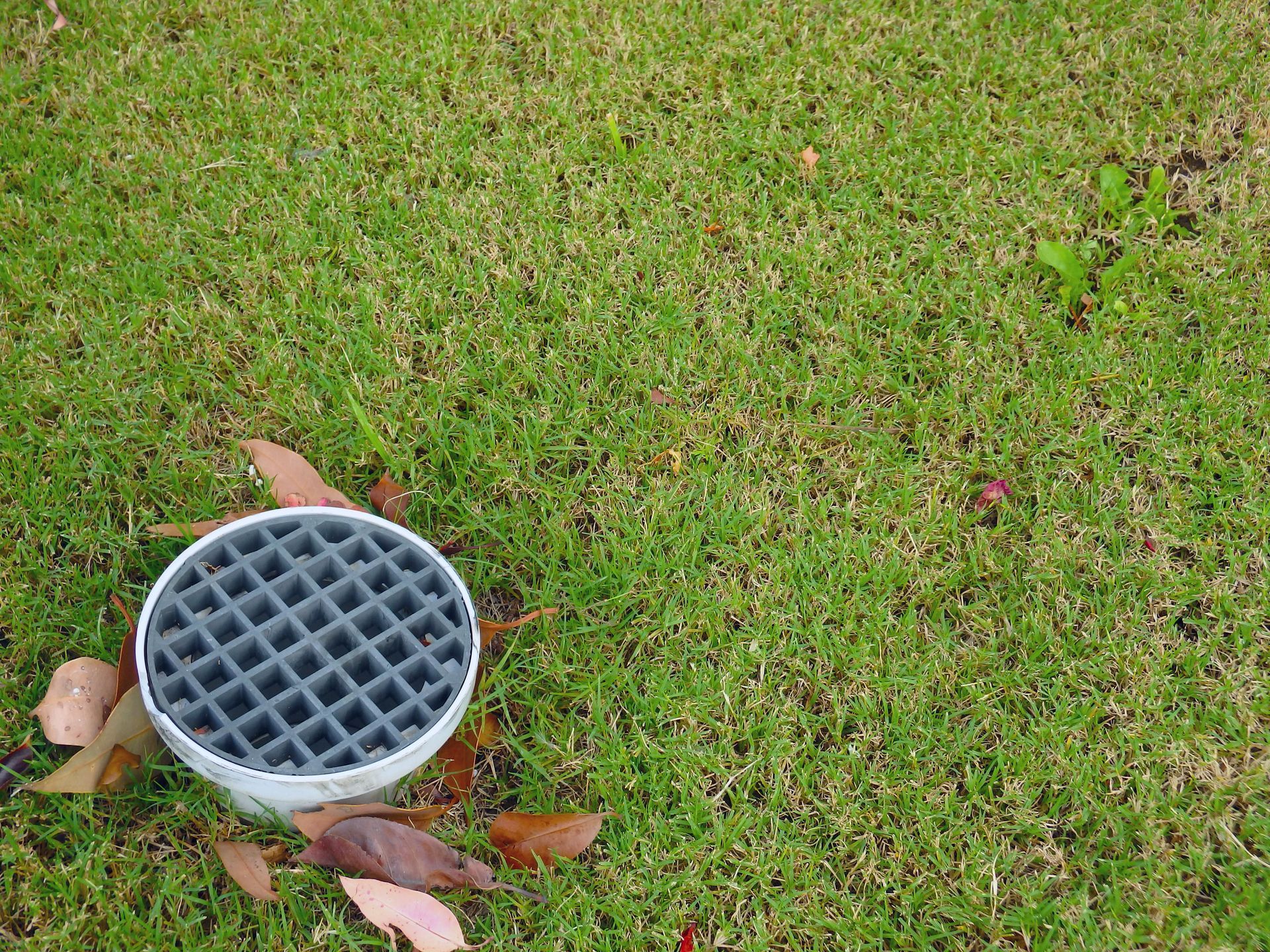
Installing hardscaping elements offers a robust defense against uncontrolled water movement. French drains represent highly effective solutions for managing excessive water flow and protecting vulnerable areas prone to heavy accumulation. These underground systems swiftly redirect water away from sensitive areas like foundations, patios, and driveways. Properly installed, they provide an efficient, invisible pathway for water to exit your yard, a highly reliable tactic frequently recommended by expert waterproofing companies. Retaining walls are functional and aesthetically pleasing components that hold back heavy soil and manage steep, problematic slopes. By stabilizing sloped areas, retaining walls help control water flow and significantly reduce the risk of mudslides during heavy rainfall. Permeable paving offers a wonderfully sustainable alternative to traditional concrete surfaces by allowing rainwater to seep directly through and recharge natural groundwater reserves. Incorporating dry creek beds can also wonderfully mimic natural stream paths, guiding excess rainwater safely through designated channels without washing away valuable topsoil. Ensuring walkways and patios do not accidentally disrupt your yard's natural drainage system remains a vital component of effective landscape planning.
Applying Mulch to Enhance Soil Hydration and Prevent Erosion
Applying mulch has a significant impact on overall soil hydration by perfectly balancing the retention and infiltration of vital moisture. This simple process involves spreading organic or inorganic material over the bare soil, which helps retain essential moisture during dry conditions while allowing excess rainwater to seamlessly seep through into the earth below. Employing the right mulching techniques can greatly enhance your yard's overall drainage capabilities. It is entirely essential to apply mulch evenly to ensure proper water penetration and complete soil protection without accidentally piling it heavily against delicate plant stems, which causes rot. The choice between organic and inorganic mulch can heavily influence drainage efficiency and landscape appearance. Organic mulches gradually break down over time, enriching the underlying soil with nutrients, while inorganic mulches provide an incredibly stable ground cover that rarely shifts during downpours. Mulch ultimately serves as an effective, natural method for preventing soil erosion, especially during unexpectedly heavy rains. Adjusting mulch coverage according to changing seasonal weather ensures it continually assists with effective drainage, happily reducing the need to call waterproofing companies to fix heavily eroded foundation beds.
Adapting Landscaping Strategies for Environmental Changes
Adapting to shifting weather patterns is critical, as climate change has consistently led to increased precipitation trends, directly challenging traditional landscaping strategies. Anticipating these intense environmental shifts enables proactive homeowners to completely adapt and significantly improve their landscapes’ capacity to manage enormous volumes of excess water. Incorporating highly flexible water management systems helps comfortably accommodate wild, unpredictable rainfall patterns. Choosing distinctly resilient materials for landscaping projects is essential in facing sudden climate-induced challenges. Weather-resistant options can easily withstand wildly fluctuating temperatures and sudden moisture surges. Emerging drainage technologies provide exciting new opportunities for handling water effectively across varied terrains. Innovations such as smart irrigation systems perfectly optimize water use and minimize unnecessary waste during drier spells. Community engagement is also incredibly critical in developing wildly effective drainage management strategies across entire neighborhoods. By collaborating with neighbors, communities can effortlessly implement coordinated, large-scale efforts to redirect flow. When community or simple backyard efforts fall short of expectations, partnering with highly reliable waterproofing companies ensures your precious home remains completely safe from rising water tables and surprisingly severe storms.
Maintaining a carefully graded and thoughtfully landscaped yard is essential for strictly protecting your valuable property from the devastating effects of flooding. By deeply understanding the importance of downward slope, continually utilizing the right plants, successfully installing effective hardscaping, and properly managing protective mulch, homeowners can easily create a beautiful, highly resilient outdoor space. Adapting to constantly changing weather patterns further ensures that your beloved home remains completely safe and perfectly dry year-round. If you are struggling with persistent drainage issues or simply want to ensure your foundation is fully protected against the elements, do not wait for a severe storm to find out your yard is vulnerable. Contact American Eagle Waterproofing today to schedule a comprehensive consultation with top-tier waterproofing companies and permanently safeguard your home against future flooding.