May 22, 2026
A wet basement is more than a minor inconvenience; it is a serious threat to your home's structural integrity and your family's health. When moisture infiltrates your lower levels, it can lead to expensive repairs, decreased property value, and the rapid growth of mold. Developing a proactive strategy for wet basement repair is essential for any homeowner looking to secure their investment and maintain a dry, healthy living environment. By addressing issues early with professional help, you can avoid the catastrophic damage often associated with long-term water exposure.
Common Causes of Basement Moisture
Poor drainage is frequently the primary cause of water accumulation around a foundation. When soil is not properly graded or when drainage systems fail, water pools against the basement walls and creates hydrostatic pressure. This pressure eventually forces water through even the smallest pores in the concrete, necessitating expert intervention to restore the barrier. Ensuring that your yard is professionally graded to slope away from the house is a foundational step in keeping your basement dry year-round.
Cracks in the foundation are another major entry point for unwanted water. These cracks can develop due to the natural settling of the home, pressure from expanding clay soils, or insufficient reinforcement during original construction. Even hairline fractures can allow a significant amount of water to seep through during periods of heavy rain or snowmelt. Regular professional inspections are necessary to catch these cracks before they widen into major structural concerns that require intensive wet basement repair.
Environmental factors, such as high groundwater levels, play a significant role in basement dampness. In regions with high water tables, the ground remains saturated, putting constant pressure on the underside of your floor slabs. According to RubyHome, 98% of basements will experience water damage at least once. This staggering statistic highlights why homeowners must remain vigilant and rely on professional waterproofing services to monitor the basement's condition, regardless of the home's age.
Clogged or poorly designed gutters can also lead to localized flooding near your foundation. When gutters overflow, the water falls directly next to the basement walls instead of being channeled safely away by a professional drainage system. Extending your downspouts at least six feet from the house can reduce the amount of water that reaches your foundation. Consistent maintenance and professional oversight of these systems can prevent the need for more intensive wet basement repair projects later on.
Inspecting and Diagnosing the Problem
Before beginning any work, a professional must conduct a thorough visual inspection of the basement walls and floors. They look for signs of efflorescence, which is a white, powdery salt deposit left behind by evaporating water. They will also check for dark stains, peeling paint, or a musty odor that indicates the presence of mold. Identifying these early warning signs through expert eyes can help pinpoint the exact location where water is entering the structure.
Moisture meter testing provides a technical evaluation of problem areas that the average homeowner might miss. Professional-grade devices measure the actual moisture content within your walls and floors, revealing hidden dampness that is not visible to the naked eye. By mapping out these moisture levels, a specialist can determine if the problem is localized or part of a larger, systemic issue. This data is invaluable when moving forward with a specialized wet basement repair plan.
Effective Waterproofing Solutions
For homes facing minor dampness issues, professional interior sealants and vapor barriers can be an effective first line of defense. These industrial-grade products are applied directly to the interior walls to create a moisture-resistant layer. While they are great for preventing humidity and minor seepage, they are generally not strong enough to stop active flooding or high-pressure leaks. They should be viewed as one component of a larger, comprehensive waterproofing strategy designed by experts.
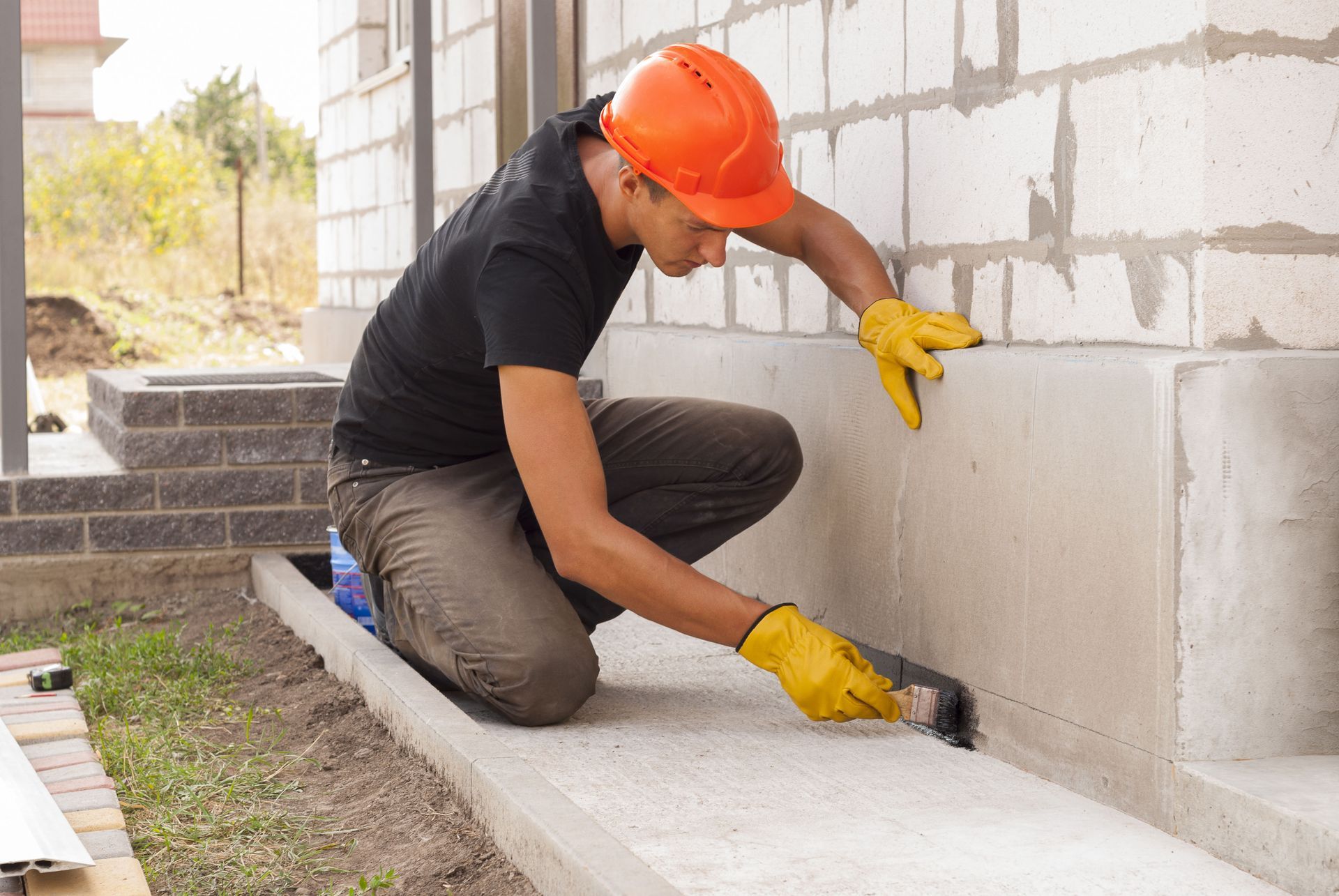
Exterior waterproofing is an intensive and highly effective method for long-term moisture management. This process involves excavating the soil around the foundation to apply professional waterproof coatings and drainage membranes to the outside of the walls. By stopping the water before it ever touches your foundation, you eliminate the risk of structural deterioration. This is considered the gold standard for wet basement repair when budget and site conditions allow for professional excavation.
Sump pump installation is a critical component for homes in areas with high groundwater. These devices sit in a pit and automatically pump out water once it reaches a certain level, directing it safely away from the home. A reliable, professionally installed sump pump system, equipped with a battery backup, can save a basement from flooding during power outages. It is one of the most effective ways to manage rising water levels during extreme weather events.
Essential Professional Repair Techniques
If a specialist has identified specific cracks in your foundation, injection repairs are often the most efficient solution. Using epoxy or polyurethane resins, professionals fill cracks from the inside out to create a flexible and waterproof seal. These materials expand to fill the entire void, ensuring that water cannot find a path through the wall. This technique is a cornerstone of modern wet basement repair because it addresses the entry point with permanent, industrial materials.
Improving your home's exterior grading is an essential repair that requires a clear understanding of soil physics and water flow. By adding specific types of soil and compacting them to create a slope that drops at least one inch per foot, experts can naturally guide rainwater away from the house. This reduces the workload on your drains and sump pump, making your entire waterproofing system more resilient. Professional grading provides long-term protection against foundation saturation and settling.
Window wells are a frequently overlooked source of leaks that must be addressed by a drainage expert. If a window well does not have a professional drainage system or a secure, custom-fit cover, it can quickly fill with water during a storm. Installing high-quality covers and ensuring the gravel drainage is functional can prevent water from spilling over the windowsill and into your basement. These professional adjustments prevent major headaches during the rainy season.
When to Call a Professional
While some maintenance is ongoing, most basement moisture issues indicate the need for professional expertise. If you notice large, horizontal cracks or walls that appear to be bowing inward, these are signs of significant structural stress. These conditions require specialized equipment and engineering knowledge to resolve safely. Ignoring structural warnings can lead to a catastrophic failure of the foundation that requires massive wet basement repair.
Advanced mold growth is another situation that requires immediate professional remediation. Mold can spread through your home's ventilation system, posing a serious health risk to everyone in the household. Professionals have the protective gear and industrial cleaners necessary to remove mold safely and permanently. Once the mold is gone, they can help you implement a final wet basement repair plan to ensure the moisture never returns.
Protecting your home from water damage is an ongoing responsibility that requires the right professional partnership. By staying vigilant and calling in experts to address small leaks before they grow, you can save thousands of dollars in repair costs. A dry basement provides extra living space, safer storage, and peace of mind for you and your family. Investing in professional waterproofing today ensures that your home remains a safe and stable haven for many years to come. For more information, contact American Eagle Waterproofing today.